


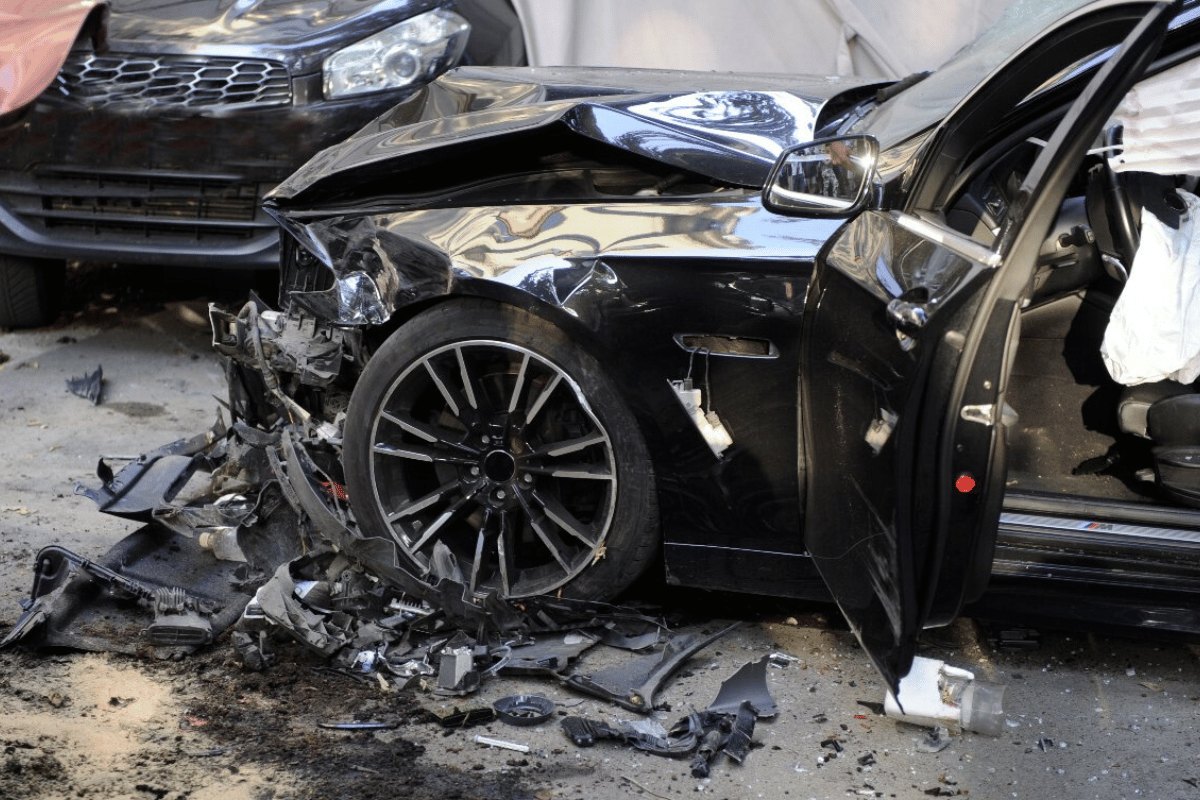
A sudden slowdown on the Crosstown. Stop-and-go traffic on I-26. A backed-up merge near I-526 or US-17 during rush hour. In Charleston, these busy roads are common places for rear-end accidents that involve more than two vehicles. When a chain reaction crash happens, one of the first questions people ask is simple. Who is actually responsible?
Multi-car rear-end accidents can be confusing, especially when several drivers and insurance companies are involved. At Lesemann & Associates, we help Charleston drivers understand how fault is determined and what steps can protect their rights after a pile-up.
Multi-car rear-end accidents often start with one vehicle hitting another, setting off a chain reaction. These crashes are common in heavy traffic corridors like the Crosstown, I-26 heading into downtown, or crowded intersections along Savannah Highway and US-17.
Because multiple drivers are involved, determining what happened and who caused the initial impact is not always straightforward.
Several factors frequently contribute to chain reaction crashes on Charleston roads:
On highways like I-26, even a brief distraction can trigger a series of collisions.
In South Carolina, fault is based on negligence. Often, the driver who rear-ends another vehicle is presumed to be at fault for failing to maintain a safe following distance. However, in a multi-car accident, that presumption does not always tell the full story.
For example, if the first driver in the chain stopped suddenly without reason, or if another driver was speeding or distracted, fault may be shared among multiple parties.
Because liability can be disputed, evidence becomes especially important in multi-car accidents. Helpful evidence may include:
This information helps clarify how the accident unfolded.
South Carolina follows a comparative fault system. This means more than one driver can share responsibility for an accident. If you are found partially at fault, you may still recover compensation, as long as you are not more than 50 percent responsible. Any recovery may be reduced based on your share of fault.
If you are involved in a pile-up on the Crosstown, I-26, or another Charleston roadway, a few steps can help protect you:
These steps can make a difference later if fault is disputed.
Multi-car accidents often involve multiple insurance companies pointing fingers at one another. A Charleston car accident lawyer can review the evidence, identify responsible parties, and handle communication with insurers.
At Lesemann & Associates, we help injured clients understand how liability works in complex rear-end accidents and what options may be available based on the facts of their case.
If you were injured in a multi-car rear-end accident on the Crosstown, I-26, or another busy Charleston road, Lesemann & Associates can help you understand where responsibility may lie. These cases can be complicated, but you do not have to sort through them alone. Reach out to start a conversation and learn how we can help you take the next step after a crash.


