


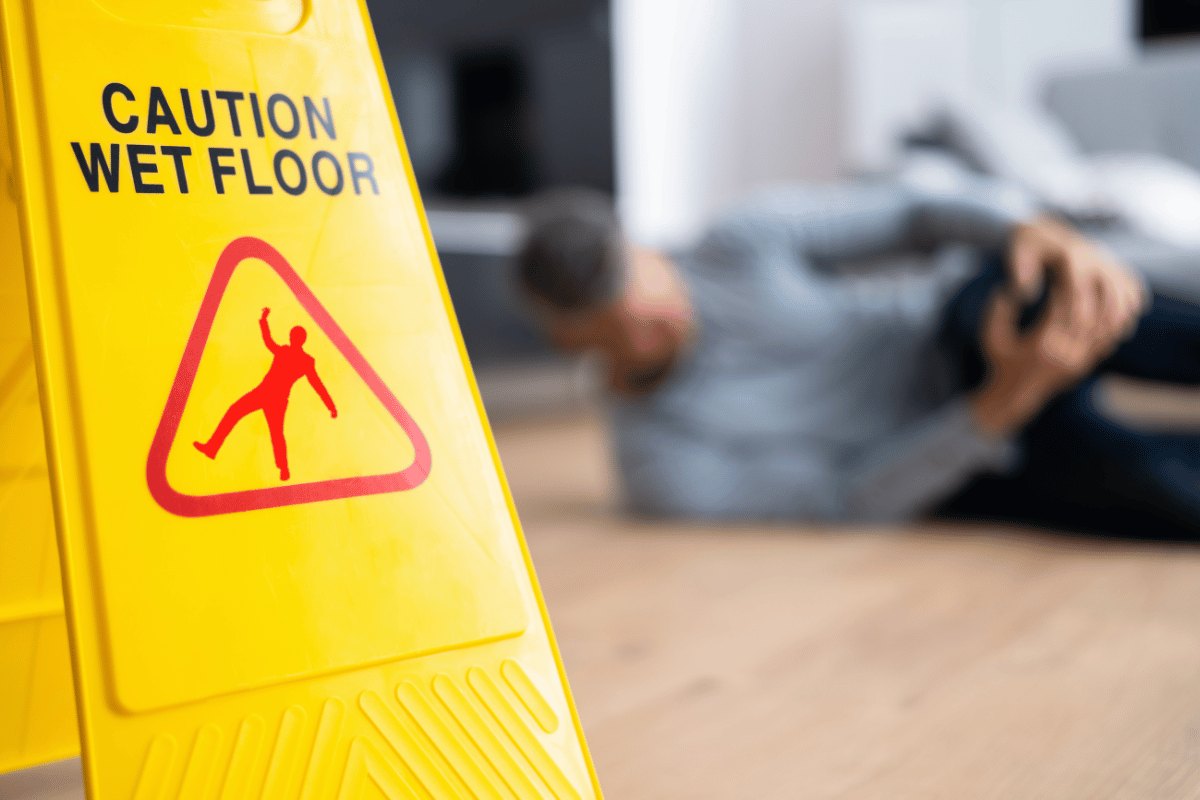
Something as simple as a wet floor, a loose tile, or a poorly lit walkway can leave you injured and confused about your next steps. You may be dealing with a swollen ankle, a sore back, or a trip to urgent care you did not plan for. When a fall disrupts your routine and creates real medical or financial strain, it is natural to wonder whether the property owner could have prevented it. Knowing how slip and fall cases work in South Carolina can help you decide what to do next.
If you are trying to understand whether your injury counts as a slip and fall case under South Carolina law, here are the key points to know.
A slip and fall case begins with a hazardous condition that should not have been there. To determine whether you may have a claim, ask yourself:
Liability depends on whether the property owner acted reasonably:
Taking the right steps immediately after your fall can strengthen your potential case.
South Carolina follows a modified comparative negligence rule. If you are partly at fault, you may still recover compensation as long as you are not more than 50 percent responsible. Your recovery is reduced by your percentage of fault.
You generally have three years from the date of the accident to file a lawsuit. Missing this deadline may prevent you from pursuing compensation.
Slip and fall cases often require evidence from multiple sources, and insurance companies frequently try to minimize payouts. A Charleston slip and fall lawyer can review what happened, explain your options, and help you pursue compensation for medical bills, lost income, and the long-term effects of your injuries.
If you were injured in a slip and fall in Charleston, Lesemann & Associates can help you determine whether you have a strong case and guide you through the next steps. Contact us today to schedule a consultation and learn how we can assist you.


